IPL 2026 build-up: the injury reshuffle that reshaped every franchise's opening week
On 21 March 2026, with the season a week from start, Pat Cummins, Josh Hazlewood and Mitchell Starc were all on the wrong side of the fitness room. Sri Lanka had not cleared four of its all-format players. KKR's pace trio was down to one fit quick. What looked like a quiet pre-season was, in the reading of Sahil Mathur's Sportstar piece, a daily reshuffle at every franchise.
A week out and three Australians missing
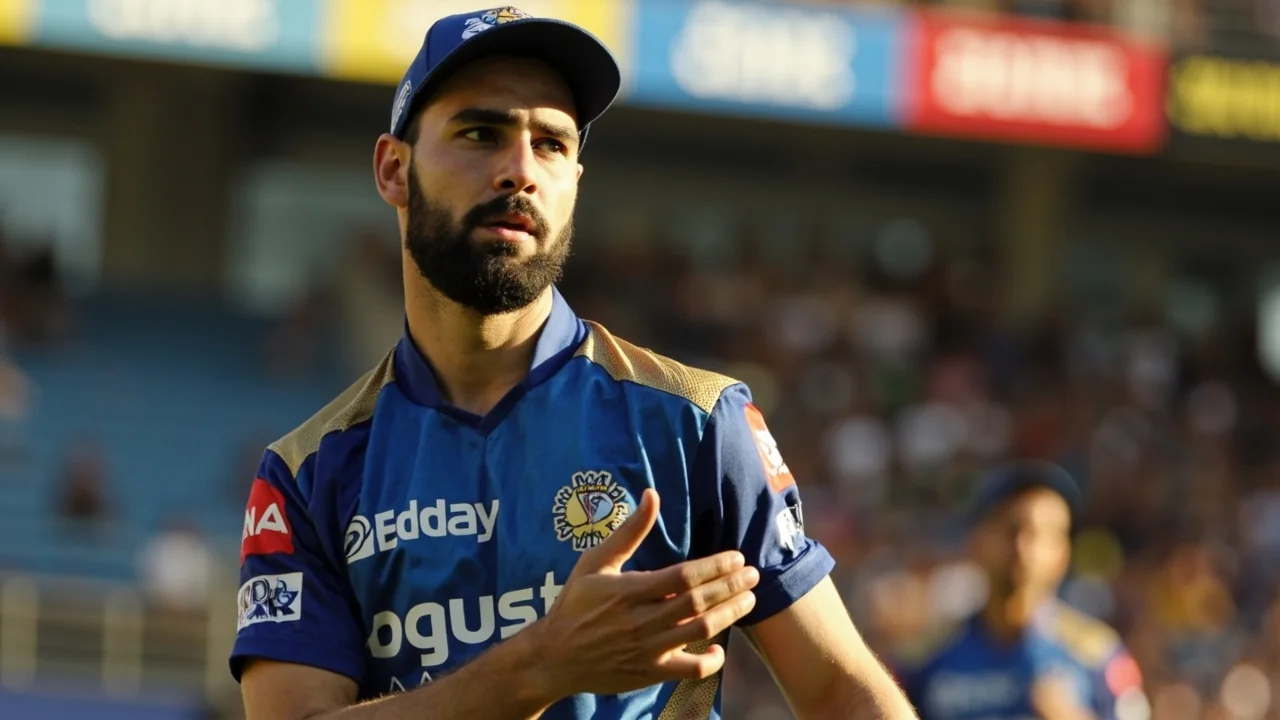
On 21 March 2026, the Indian Premier League was a week from its scheduled start. The Astroturf had been laid, the broadcast positions had been wired, and the franchises had broken camp and gone home for the final week of rest. Inside the franchises, the picture was less settled. Pat Cummins, the Sunrisers Hyderabad captain, was not in Hyderabad. Josh Hazlewood, the senior seamer at Royal Challengers Bengaluru, was not bowling. Mitchell Starc, the Delhi Capitals' headline all-format buy, was on a workload programme after Australia's packed white-ball winter.
That is the picture Sahil Mathur's Sportstar report lays out: three of the five most expensive Australian quicks in the league, all unavailable at the same time, a week before the first fixture. The cleanest read on why the build-up was not what the franchises had planned is the calendar. Australia's Test and white-ball rotation had run closer to the World Cup window than it had in the previous cycle, and the IPL's opening fortnight had to absorb the cost of that rotation. The franchises had priced in the workload risk at the auction. They had not planned for the three of them to be missing at the same time, in the same week.
Sunrisers hand the captaincy to Ishan Kishan
Sunrisers Hyderabad were the cleanest case of a forced on-field reshuffle. With Cummins still in recovery, the franchise confirmed that Ishan Kishan would lead the side in Cummins' absence, with Abhishek Sharma named vice-captain. The English all-rounder Brydon Carse was lined up to start as a seam-bowling all-rounder at No. 8, reshaping the batting order around the change of captain rather than around the change of personnel.
The reshuffle was not just a captaincy carousel. The Jack Edwards situation summed up the depth problem: Edwards, picked at Rs 3 crore at the auction, was ruled out for the season with a foot injury before the first training session. The franchise had to work out at the same time whether Kishan was the right long-term leader, whether Carse was the right seam-bowling all-rounder at No. 8, and whether the squad could survive Cummins' absence with the long Australian recovery timeline. The Madhapur nets were being asked to absorb more than a captaincy change.
For the league, the SRH case was a useful read on how the franchise had read the workload risk. The franchise had known since the auction that Cummins would be coming back from a heavy white-ball winter. The captaincy handover to Kishan was the cleanest contingency the franchise had; the reshuffles below it were the working-it-out piece. The first week of fixtures would tell the league whether the contingency was enough.
RCB carry Hazlewood's hamstring into the opening week
Royal Challengers Bengaluru's opening week was built around a hamstring and an Achilles. Hazlewood, the senior Australian quick, was carrying both, and the franchise's own medical staff had communicated that he was expected to miss at least the first two fixtures. The contingency was the New Zealand quick Jacob Duffy, lined up to slot in. The longer contingency was the question of how long the franchise could absorb Hazlewood's absence without compromising the Powerplay plan that RCB had built their campaign around.
The RCB picture was complicated by an off-field matter. The seam-bowling all-rounder Yash Dayal had not been seen on the field or in any franchise social media post amid two separate legal cases. The franchise had not named a replacement. The effect was a quiet but visible thinness in the seam-bowling options: one senior Australian quick out, one Indian seam-bowling all-rounder effectively unavailable, and the New Zealand quick Duffy as the short-term replacement. The franchise was working the start of the season with a thinner pace unit than the auction had projected.
The competitive read at the time was that the RCB pace attack was deep enough on paper to absorb Hazlewood's absence for two matches. The clearer read was that the franchise was asking the rest of the attack — the spinners, the other seamers, and the fielding captain — to hold the lines for those two matches without the senior pace bowler who had set the tone at the Chinnaswamy in the previous cycle. The first two fixtures would tell the league whether the franchise's squad depth was the real story.
Chennai lose Ellis and still search for a replacement
Chennai Super Kings' pre-season concern was the cleanest on the list. The Australian death-overs specialist Nathan Ellis had been ruled out with a hamstring injury, and the franchise had not announced a replacement. The remaining short-list, by the report's account, was Matt Henry, Zakary Foulkes and Jamie Overton — three seam-bowling options, none of them a like-for-like Ellis replacement.
The cleanest read on what the Ellis loss meant for CSK was the role, not the name. Ellis had been the designated death-overs plan in the previous cycle. The franchise had picked him for the role, paid for the role, and built the back end of the bowling innings around the role. Without a like-for-like replacement, the franchise had to choose between asking one of the other quicks to expand their role, shifting the death-overs plan to a different specialist, or running with a committee approach. The choice was not a small one for a franchise whose identity has been built on the clarity of its death-overs execution.
The CSK situation was also the cleanest indicator of the pre-season's wider pattern. The franchise had known about the Ellis risk at the auction. The replacement had not been named because the franchise had not, in the first week, identified the right fit. The team's pre-season was, in the simplest reading, the search for the right fit.
Four Sri Lankans still awaiting clearance
Four Sri Lankan all-format players were waiting on paperwork as 21 March arrived. Wanindu Hasaranga (Lucknow Super Giants), Nuwan Thushara (RCB), Matheesha Pathirana (KKR) and Eshan Malinga (SRH) were all awaiting the fitness clearance and No-Objection Certificates from their board. The four players had different roles and different franchise fitments, but the part of the story that mattered was the same: the Sri Lankan board had not finalised the clearance and NOC pipeline in time for the franchises to plan the first week of fixtures with certainty.
The cleanest read on the four-player logjam was that the league's pre-season had become partly dependent on a board's administrative timeline. The franchises had bid for the players with the expectation that the all-format players would be available. The window between the World Cup and the IPL's start was tighter than it had been in the previous cycle, and the paperwork had not kept pace. For the four franchises, the first week's plans were being made with a contingent-on-paperwork assumption.
For the wider league, the Sri Lankan logjam was a useful reminder that the IPL's pre-season sits inside a wider cricket calendar. The league has been working for years to make the franchise season longer, more international, and more dependent on the cross-format availability of its all-format players. The 2026 pre-season was the first season in which the league had to absorb the cost of that dependency at the same time, across four franchises, in the same week.
KKR down to one fit quick
Kolkata Knight Riders' pre-season opening week was the most acute on the list. The franchise had three frontline fast bowlers carrying knocks: Harshit Rana with a knee ligament strain, Matheesha Pathirana awaiting the Sri Lankan clearance, and Akash Deep out for up to eight weeks with a lower-back stress reaction. The fit frontline quick in the squad, at the time of the report, was a single name.
The franchise had already begun to reshape the squad. Blessing Muzarabani had replaced Bangladesh's Mustafizur Rahman after a BCCI directive; the squad had been reconfigured in the auction window and the franchise had moved quickly on the replacement. The bigger picture was that the KKR pace attack was going into the first week of the season with less depth than the franchise had planned, and the franchise's entire home campaign at Eden Gardens was being asked to absorb the absence of three frontline quicks at the same time.
The KKR starting XI was not yet settled because the bowling-card was not yet settled. The first fixture — the opening night at the Wankhede Stadium against Mumbai Indians on 29 March — would tell the league whether the pace attack had been rebuilt in time, whether the All-round depth was going to carry the workload, and whether the squad depth had been the right bet at the auction. The KKR pre-season was the most exposed of the ten franchises.
Delhi's workload calculus with Starc
Delhi Capitals' pre-season picture was different from the others. Mitchell Starc was not injured, was not in recovery, and was not in doubt. The franchise's planning was a workload calculation: Starc had taken 14 wickets in 11 matches in IPL 2025 after being bought for Rs 11.75 crore, and the franchise had paid for the workload. The 2026 pre-season was the franchise's first attempt to manage the workload over a long white-ball winter that included the World Cup and the home summer.
The backup plan — Kyle Jamieson and Lungi Ngidi — was a useful read on the franchise's thinking. The two seamers were not like-for-like Starc replacements; they were high-quality options who could absorb the death-overs workload when Starc was being rested. The DC plan was to rotate the workload across the two backup quicks in the early weeks, manage Starc's overs, and have the Australian back at full load by the middle of the season. The plan was a workload calculation, not an absence.
The DC pre-season was the cleanest example of a franchise with a working plan. The other eight franchises had been forced to make contingency plans around a missing player; DC had made a workload plan around a present player. The difference mattered for the first week of fixtures: the DC squad was the one most likely to be working its full squad depth in the first match, not the one most likely to be asking its replacement to step in.
Royals lose Curran for the season
Rajasthan Royals' pre-season picture was the most decisive on the list. Sam Curran, the England all-rounder, was set to miss the entire season with a suspected groin injury. The franchise had not yet announced a replacement. The Royals had taken Curran in the off-season trade from Chennai alongside Ravindra Jadeja, and the trade had been built around the two all-format all-rounders' availability. The pre-season injury report had reduced the trade's first-season utility to one player.
The Royals' squad was deeper than the other franchises on the list, but the absence was a clear one. The franchise's seam-bowling all-rounder slot was the clearest gap in the eleven. The contingency was, by the report's account, an internal reshuffle rather than a replacement buy. The opening week of the season was going to test the franchise's all-rounder depth immediately.
The three franchises whose pre-season actually went to plan
Three of the ten franchises had a smoother pre-season than the rest. Mumbai Indians, the report said, were still waiting on four players — Suryakumar Yadav, Hardik Pandya, Jasprit Bumrah and Tilak Varma — all part of India's victorious T20 World Cup campaign earlier that month. Rohit Sharma had already joined the MI camp. The squad was thinner than planned for the first week, but the framework was in place. Lucknow Super Giants had Rishabh Pant training with the squad in pursuit of a maiden title, with Mohammed Shami — traded in from SRH for Rs 10 crore — also reporting for duty. Gujarat Titans were assembling under Shubman Gill, with Washington Sundar joining the camp. The GT build-up was the cleanest of the eight.
The pattern across the three was the same: the workload of the four Indian players was managed by the BCCI, the workload of the traded international players was managed by the franchise, and the framework was in place for the first week. The three franchises had not been forced into a contingency plan. The other seven had. The opening week of the 2026 edition was, in the simplest reading, an audit of how well the seven contingencies had been built.
What it set up for the opening fixture
The cleanest read on the 21 March picture was the working data point for the first week of the season. The franchises whose pre-season had gone to plan were likely to take the field with their first-choice XIs. The franchises whose pre-season had not gone to plan were likely to take the field with a reshuffled XI, a workload-managed bowling attack, or a paperwork-dependent squad. The week between the report and the opening fixture at the Wankhede was the franchise's last chance to settle the squad, the captaincy plan, and the bowling order before the actual competition began.
For the league, the 2026 pre-season was a useful reminder of the difference between a planned contingency and a forced one. The franchises that had planned the contingency — DC around Starc, LSG around the new-look attack, GT around the settled squad — were going into the opening week with a working plan. The franchises that had been forced into the contingency — SRH around Cummins, RCB around Hazlewood, CSK around Ellis, KKR around the pace trio, RR around Curran — were going into the opening week with a working-it-out plan. The first week of the season was the cleanest data point for the difference between the two.
The team's full squad, captaincy plan, and opening-week XI for every franchise is on the franchise index, with the headline changes from the 21 March reshuffle reflected in the squad notes.
How we report
Every claim here is sourced to Sahil Mathur's 21 March 2026 piece in Sportstar, the cricket publication of The Hindu. The player-by-player reshuffle, the captaincy handover, the Sri Lankan clearance logjam, and the three-franchise smoother build-up are all in the original report. Where the analysis extends beyond the report, the analysis is labelled as such. Corrections, when needed, are logged on the corrections page.
Follow the pre-season injury desk
One alert when the next availability bulletin lands and the related tactical read.
The pace-card reshuffle was the cleanest working data point
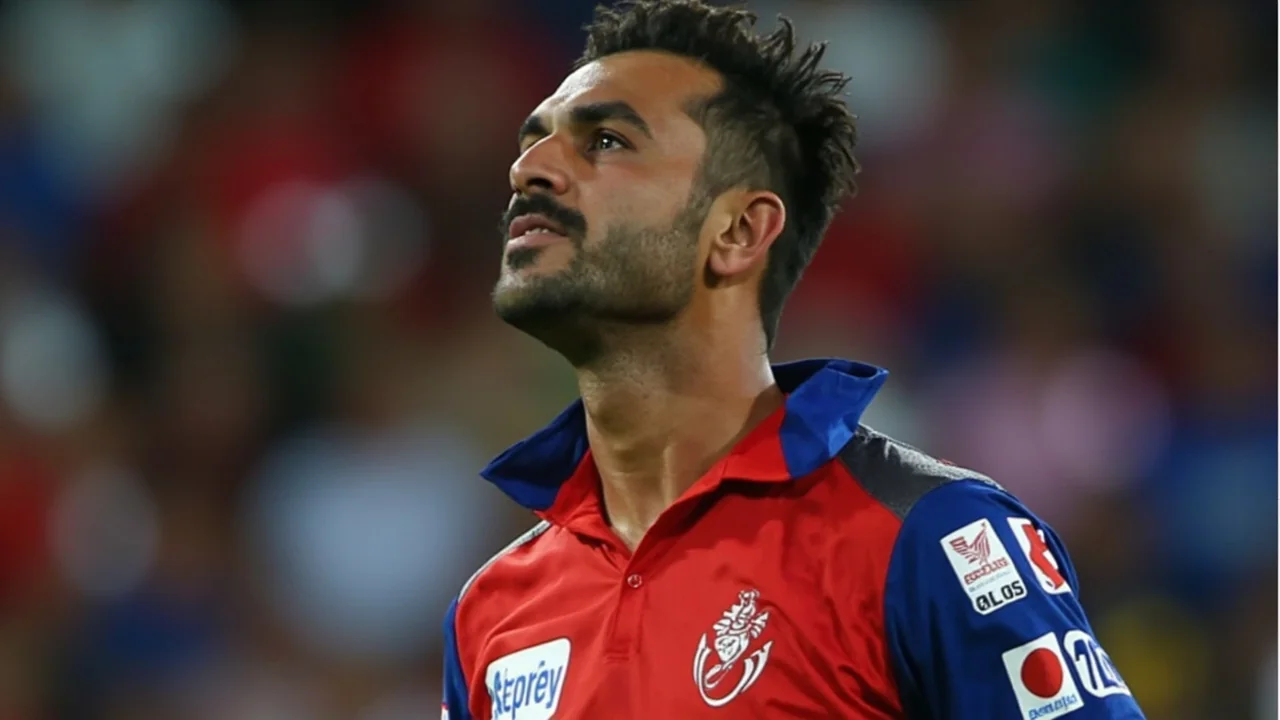
The 21 March picture was not about one player. It was about the pace card at eight of the ten franchises. Cummins, Hazlewood and Starc — the three Australian quicks with the highest-impact IPL 2025 figures — were all out of the first week for different reasons. The Sri Lankan quicks were awaiting paperwork. The KKR pace trio was down to one fit frontline seamer. The first week of the 2026 edition was going to be an audit of the depth each franchise had built behind the frontline seamers.
The read for the rest of the season is the pace-bowling workload distribution. The franchises that had built the depth would absorb the workload loss. The franchises that had not built the depth would learn quickly. The injury desk would be tracking the pace-bowling workload from the first fixture through the middle of the season — the single cleanest indicator of which franchises had planned the contingency well.
Frequently asked
When was the IPL 2026 build-up reshuffle reported?
The reshuffle was reported by Sahil Mathur in Sportstar, the cricket publication of The Hindu, on 21 March 2026 at 12:28 IST. The franchise-by-franchise report covered the captaincy handover at Sunrisers Hyderabad, the Hazlewood absence at Royal Challengers Bengaluru, the Ellis loss at Chennai Super Kings, the Sri Lankan clearance logjam, the KKR pace trio, the Starc workload plan at Delhi Capitals, the Curran injury at Rajasthan Royals, and the three franchises whose pre-season had gone to plan.
Why were Pat Cummins, Josh Hazlewood and Mitchell Starc all unavailable at the same time?
The three Australian quicks were unavailable for three different reasons. Cummins was in recovery after a heavy white-ball winter. Hazlewood was carrying a hamstring and Achilles concern at Royal Challengers Bengaluru. Starc was on a workload programme at Delhi Capitals after Australia's packed white-ball schedule. The three absences were not the same injury or the same workload problem — they were the result of the league's opening fortnight absorbing the cost of the international calendar.
What was the Sri Lankan clearance logjam?
Wanindu Hasaranga (Lucknow Super Giants), Nuwan Thushara (RCB), Matheesha Pathirana (KKR) and Eshan Malinga (SRH) were all awaiting fitness clearance and No-Objection Certificates from the Sri Lankan board on 21 March. The paperwork had not been finalised in time for the franchises to plan the first week of fixtures with certainty. The four franchises were working with a contingent-on-paperwork assumption.
Which franchises had the smoothest pre-season build-up?
Three franchises had a smoother pre-season than the rest, per the Sportstar report: Mumbai Indians, Lucknow Super Giants and Gujarat Titans. The three squads had not been forced into a contingency plan. The other seven franchises were working with the reshuffle. The first week of the 2026 edition was, in the simplest reading, an audit of how well the seven contingencies had been built.
Where does the data come from?
The data here comes from Sahil Mathur's 21 March 2026 piece in Sportstar (The Hindu). The franchise-by-franchise pre-season rundown, the captaincy handover, the Sri Lankan clearance logjam, and the three-franchise smoother build-up are all in the original report. Where the analysis extends beyond the report, the analysis is labelled as such. We do not invent data, quote, or detail.
The first week of the 2026 edition was an audit of pre-season depth
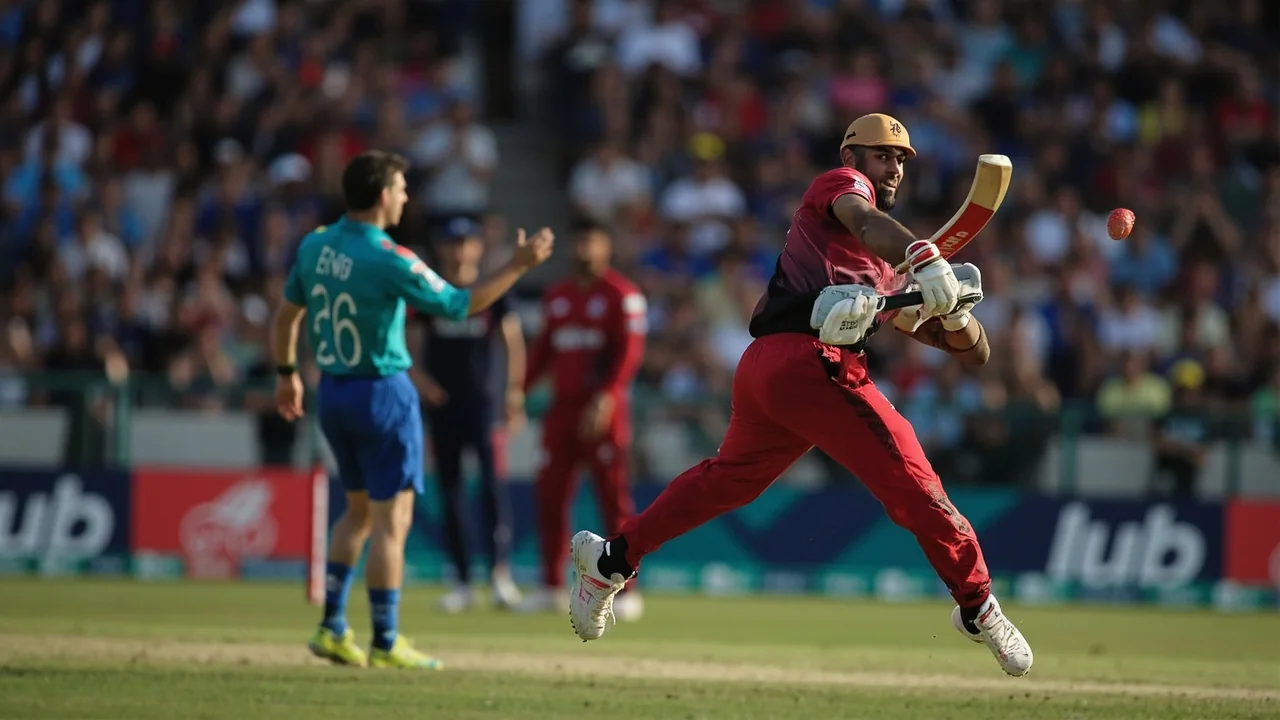
The pre-season reshuffle was not a single event. It was a layered set of contingencies playing out across eight of the ten franchises in the same week. The opening fixture at the Wankhede on 29 March was the first clean read on how well the seven contingencies had been built. The franchises that had planned the workload — Delhi around Starc, LSG around the new-look attack, GT around the settled squad — were going into the first week with a working plan. The franchises that had been forced into the contingency were going into the first week with a working-it-out plan.
The injury desk would be tracking the pace-bowling workload from the first fixture through the middle of the season. The single cleanest indicator of which franchises had planned the contingency well would be the depth-management of the frontline seamers across the first four to six weeks. The build-up reshuffle was the pre-game data point; the on-field execution was the working data point.
Recent context the injury desk has been tracking
A handful of observations from the 21 March 2026 pre-season reshuffle for readers who want the underlying picture behind the headlines. None of these is a prediction; all of them are sourced observations.
- Three of the five most expensive Australian quicks in the league — Cummins, Hazlewood and Starc — were unavailable at the same time, a week from the season's start, for three different reasons.
- Four Sri Lankan all-format players across four franchises were awaiting clearance and NOCs from the Sri Lankan board, the widest single-board clearance logjam in the league's opening week.
- KKR had three frontline fast bowlers carrying knocks — Harshit Rana, Matheesha Pathirana and Akash Deep — leaving the franchise with the thinnest pace-bowling depth of the ten sides.
- Three franchises had a notably smoother pre-season: Mumbai Indians, Lucknow Super Giants and Gujarat Titans. The other seven were working with a contingency plan.
- The first fixture of the 2026 edition was scheduled for the Wankhede Stadium on 29 March, with Kolkata Knight Riders the away side against Mumbai Indians.