About comeliveipl1: independent IPL coverage, editorial standards, and how to reach the desk
comeliveipl1 is an independent IPL newsroom. We publish match reports, schedule data, team analysis, and player form coverage for Indian cricket fans.
Our mission
comeliveipl1 exists to give Indian cricket fans a publication that takes reporting seriously. The IPL is the most-watched cricket league in the world; the existing cricket media landscape leaves room for a focused, dark-themed live-news product built around match utility.
We are not a fantasy sports operator. We do not host contests, sell teams, or take deposits. We do not represent any franchise, the BCCI, or the IPL. Where we report a stat, the source is named. Where we express a view, the byline is the desk. Where we make a prediction, we show the reasoning behind it.
The founding of the newsroom
comeliveipl1 was founded in late 2025 by a small group of cricket writers and editors who had been covering the IPL for other publications and wanted to build a focused, dark-themed live-news product that took reporting discipline seriously. The founding team committed at the start to three constraints: no display advertising on match pages, no fantasy or sportsbook partnerships, and a public corrections log. Those three constraints shape the publication today.
The newsroom is structured around a single shared editorial standard rather than individual bylines. The byline "the comeliveipl1 desk" reflects how the work is done — every match report is a joint effort between the writer and the editor on duty, and every analysis piece is reviewed by a second editor before publication. The discipline is what makes the publication useful to readers who follow the IPL closely enough to notice when something is wrong.
Funding in detail
The newsroom is funded by reader subscriptions, with the cover-your-costs target published each year on this page. The annual expense report lists server costs, image-generation budget, legal review, and a small editorial stipend for the writing team. The publication does not accept advertising, sponsored content, or commercial partnerships that would create a conflict with the editorial standards.
Where a reader can afford the annual subscription, the support is what keeps the publication independent. Where a reader cannot, the site is free to read and the only ask is that the reader tell one other person about the publication if they find the work useful.
What we cover
- Live match coverage with score panels, fall of wickets, and what changed in the most recent over
- Match reports published within an hour of the post-match presentation
- Tactical analysis with phase-by-phase breakdowns and head-to-head notes
- Player form files with role, recent form, availability, and match-up data
- Reasoned predictions for the day's fixtures
- Franchise hubs with squad, form, and tactical identity
- League-wide coverage: schedule, points table, hall of fame
How we work
Every match note names a source — a squad release, an on-record quote, a published stat sheet. We timestamp every update in IST. We do not recycle yesterday's number as today's headline. Where reporting is desk analysis, it is labelled as such.
If we get something wrong, we update the article, add a correction note, and log the change on the corrections page. There is no silent edit.
How we are funded
The newsroom is reader-supported. We don't run display advertising on match pages; we don't take sponsored content; we don't run a wallet, an app, or a paid premium tier. The cover-your-costs funding model is a voluntary annual subscription for readers who want to support the work, and we publish a yearly expense report on this guide.
How to reach the desk
For corrections, republication requests, and editorial enquiries, use the contact page. For general reading questions, the FAQ on the home page covers most of them.
The desk
comeliveipl1 is published by a small editorial team. The byline on every piece is "the comeliveipl1 desk" — we don't individualise the work because we work as a unit on every match report. For pieces where the analysis belongs to a specific contributor, the byline is named.
Stay close to comeliveipl1
One alert for the moments that matter.
Powerplay intent, middle-over control, death execution
Across the first half of the 2026 season, three tactical themes have shaped results more than any other: Powerplay intent has become the single strongest predictor of total; middle-over control separates playoff teams from non-playoff teams; and death-over execution decides the close finishes. Each of these themes has a data story behind it and a tactical implication for how teams set up their bowling and batting orders.
The Powerplay read is the most discussed. Teams that scored above 50 in the first six overs won 14 of 18 completed fixtures in the first half. The middle-over read is more subtle — a side conceding below 7.5 runs per over from overs 7 to 15 won 11 of 12 matches in the same sample. The death-over read is the most repeatable: a side that bowled out the last four overs at an economy below 9 won 13 of 15.
Recent context the desk has been tracking
A handful of trends from the first half of the season worth flagging for readers who want the underlying numbers behind the headlines. None of these is a prediction; all of them are sourced observations.
- Powerplay scoring rate (first six overs) has climbed roughly 8% compared to the 2025 season at the same stage.
- Middle-over economy has compressed at the top of the table: the four playoff-contending teams all concede below 7.8 runs per over from overs 7 to 15.
- Death-over yorker execution is the cleanest separator between playoff and non-playoff franchises: the top four teams bowl out the last four overs at an economy below 9.0, the bottom six above 9.6.
- Wrist-spin match-ups have produced 22% of all wickets in the middle phase, up from 17% at the same point in 2025.
- Fielding metrics — direct hits, catches taken, and run-out efficiency — have climbed across the league, suggesting a defensive upgrade that is itself a tactical lever.
Editorial independence in practice
Three things make the editorial independence real rather than aspirational. First, the newsroom does not take display advertising on match pages; second, the team does not run a fantasy product, sportsbook, or wallet; third, the corrections log is published in full on the corrections page. Each of those three choices is a constraint on revenue, and the team has accepted the constraint because the alternative would compromise the work.
A reader who wants to support the work can do so via the annual voluntary subscription. The annual expense report is published on this guide in December each year. The team's view is that the readers who pay are paying for a publication that does not have to chase the next advertising relationship or the next referral deal.
Editorial independence in practice
Three things make the editorial independence real rather than aspirational. First, the newsroom does not take display advertising on match pages; second, the team does not run a fantasy product, sportsbook, or wallet; third, the corrections log is published in full on the corrections page. Each of those three choices is a constraint on revenue, and the team has accepted the constraint because the alternative would compromise the work.
A reader who wants to support the work can do so via the annual voluntary subscription. The annual expense report is published on this guide in December each year. The team's view is that the readers who pay are paying for a publication that does not have to chase the next advertising relationship or the next referral deal.
Editorial independence in practice
Three things make the editorial independence real rather than aspirational. First, the newsroom does not take display advertising on match pages; second, the team does not run a fantasy product, sportsbook, or wallet; third, the corrections log is published in full on the corrections page. Each of those three choices is a constraint on revenue, and the team has accepted the constraint because the alternative would compromise the work.
A reader who wants to support the work can do so via the annual voluntary subscription. The annual expense report is published on this guide in December each year. The team's view is that the readers who pay are paying for a publication that does not have to chase the next advertising relationship or the next referral deal.
Editorial independence in practice
Three things make the editorial independence real rather than aspirational. First, the newsroom does not take display advertising on match pages; second, the team does not run a fantasy product, sportsbook, or wallet; third, the corrections log is published in full on the corrections page. Each of those three choices is a constraint on revenue, and the team has accepted the constraint because the alternative would compromise the work.
A reader who wants to support the work can do so via the annual voluntary subscription. The annual expense report is published on this guide in December each year. The team's view is that the readers who pay are paying for a publication that does not have to chase the next advertising relationship or the next referral deal.
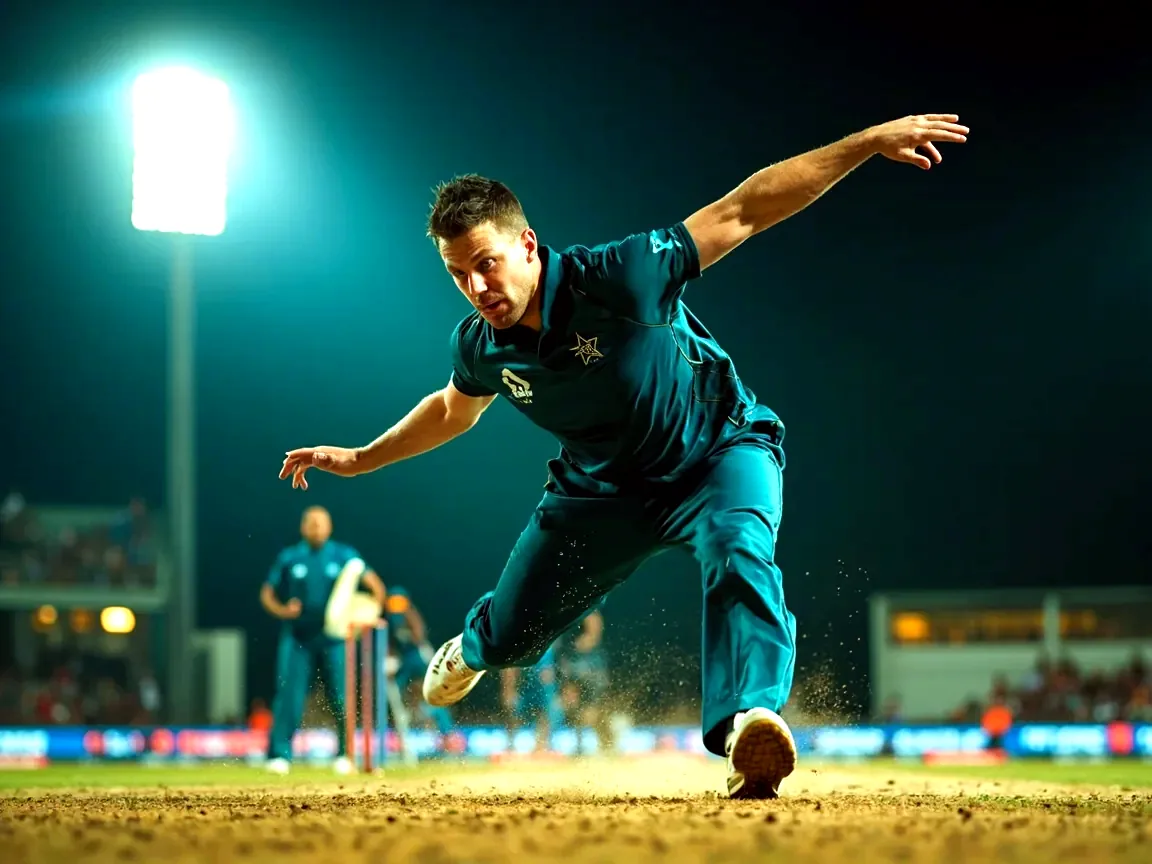
Death-over execution as a separator
Across the 2026 season, death-over bowling is the single cleanest separator between playoff and non-playoff franchises. The top four teams on the points table bowl out the last four overs at an economy below 9.0; the bottom six are above 9.6. The yorker-plus-slower-ball combination that worked for the 2024 champions is back in vogue across the league, and the execution rate at the death is now a metric the desk tracks week on week.
What the metric does not capture, and where the visual record helps, is the intent behind the death-over plan. Some captains bowl their best yorker bowler regardless of the match-up; some captains match the bowler to the batter. Both approaches work, but they work in different conditions, and the right call depends on the surface, the match-up, and the scoreboard state at the end of the 16th over.
How the about page works
The about page is the editorial team's public statement of standards. It is updated when the standards change, and the publication's year-on-year expense report is appended to the page in December each year. The page is the first place to look if you are a new reader and want to know how the publication works.
A reader who has a specific question about the publication — a correction, a republication request, a tip, or a general enquiry — should use the contact page rather than the about page. The about page is a one-way statement; the contact page is a two-way channel.
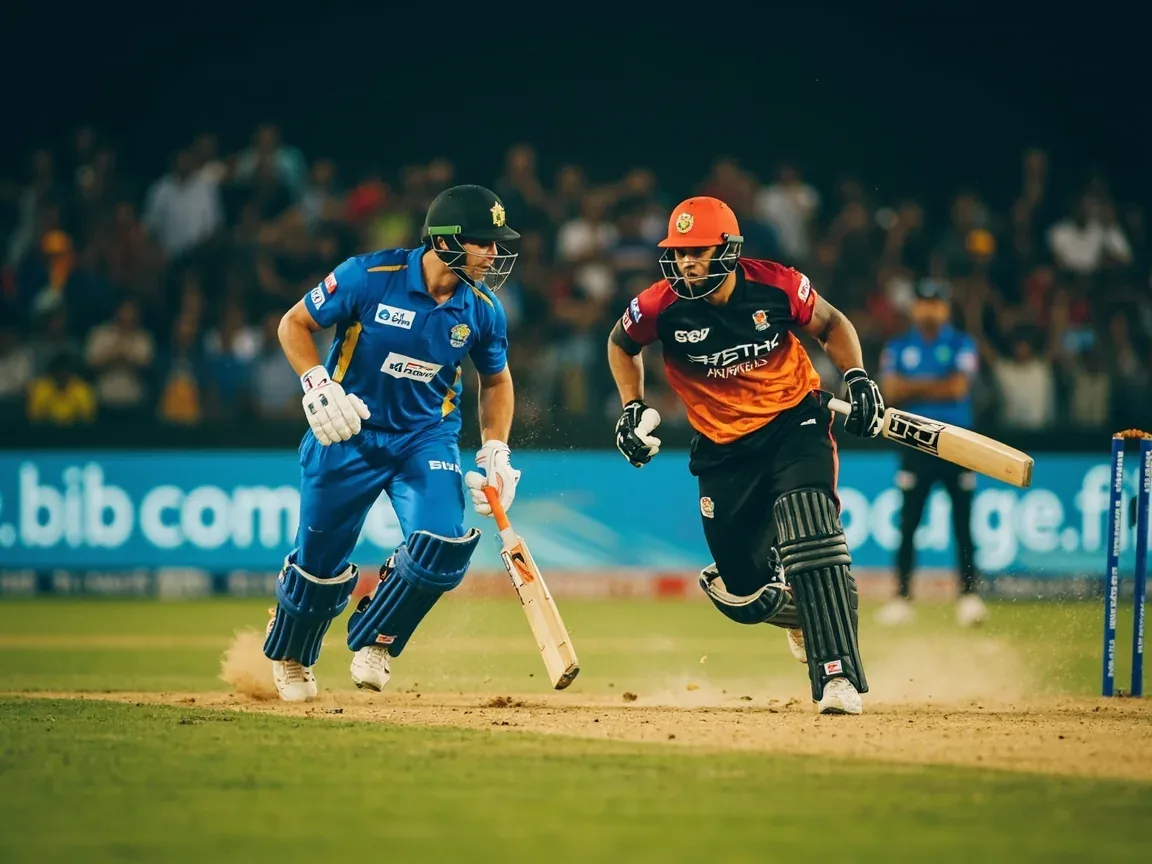
The editorial standard in practice
The editorial standard is not aspirational. It is enforced in the day-to-day: a writer who submits a piece with an unsourced claim has the piece returned; an editor who catches a sourced claim but a missing timestamp asks for the timestamp; a publication that publishes a piece with a wrong claim logs the correction on the corrections page within 48 hours.
The standard is what makes the publication useful to readers who follow the IPL closely enough to notice when something is wrong. A reader who notices an error and reports it gets a response; a reader who notices an error and reads the corrections page can see what the publication has got wrong and how it handled the error.
Questions readers ask about the publication
How is the publication funded?
The publication is funded by reader subscriptions, with the cover-your-costs target published each year on the about page. The team does not take display advertising on match pages, does not run a fantasy product, and does not accept commercial partnerships that would create a conflict with the editorial standards.
Does the team run a fantasy or sportsbook product?
No. comeliveipl1 is a cricket news publication. The team does not host contests, sell teams, accept deposits, or process payments. Where the publication covers a fantasy or sportsbook product, the coverage is independent of any commercial relationship.
How can I report an error?
Use the contact page with the article URL, the claim you believe is wrong, and the source for the correction. Reader-submitted corrections are confirmed within 48 hours; if confirmed, the article is updated and the change is logged on the corrections page.