The Hundred 2026 rebrand: how the IPL's auction DNA moved into English cricket
The Hundred's new-look season opens with an auction room, private franchise ownership, headline overseas signings, and a celebrity cameo the broadcast is leaning into. We map the IPL borrowings and where the models still differ.
What changed in the Hundred
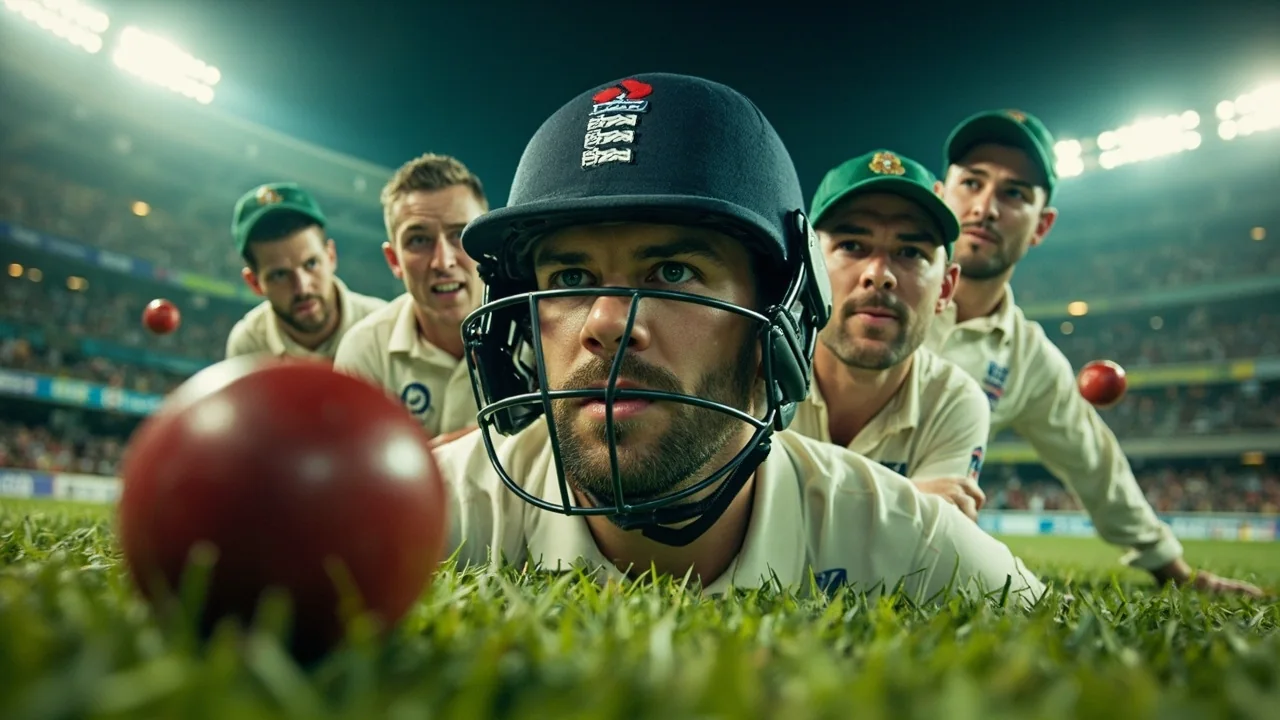
Five years on from a launch that split opinion between traditionalists and broadcast strategists, The Hundred has been quietly repositioned. The 2026 edition opens with a player auction in the broadcast build-up, a private franchise-ownership layer that would have looked out of place in the ECB boardroom a decade ago, an overseas signing window aimed squarely at the calendar gaps the IPL cannot touch, and a celebrity-driven opening broadcast that put a footballer on the toss. None of these moves is new on its own. Together, they amount to a structural import of the model that has defined Indian franchise cricket since 2008.
For an IPL audience, the easiest way to read the rebrand is to flip the lenses. Strip out the 100-balls-an-innings quirk that defined the original concept and the rest of the architecture looks like a clone: centralised marketing, regionalised home grounds, an auction room as the season's narrative hinge, and a salary-band system that produces the same kind of predictable star-concentration at the top of the purse. The Hundred has not become the IPL. It has absorbed the parts of the IPL that travel.
The auction shift, in plain terms
The auction is the move that does the most work. A draft is a quiet list-building exercise; an auction is theatre. The ECB has spent the last two years constructing a televised auction format with retained-player windows, a marquee-player tier, an accelerated bid phase for the final overseas slots, and the kind of salary-band tiering that prevents runaway spending the way the IPL's capped purse has since 2014. The mechanics are not identical. The intent is.
There are practical reasons for the shift beyond the broadcast appeal. Centralised auctions distribute talent more evenly across the eight franchises than the old draft model, which had allowed the same three or four teams to lock up the headline names season after season. The result, if the early indications hold, is a more even opening to the league table and a stronger case for the broadcast-rights partners who priced parity into the deal. Whether the on-field product improves is the next twelve months' question.
The salary-band tiering itself is a quiet concession to a truth the IPL learned the hard way: runaway spending produces press, not titles. The Hundred's bands look more compressed than the IPL's, with a hard cap on the marquee tier and a sharper demarcation between the experienced-pro bracket and the developmental bracket. If this holds through two seasons, expect other associate-member T20 leagues to copy the design.
Where the England stars sit
England's centrally contracted white-ball players were the original tension in The Hundred's design. The tournament sat inside a window the ECB also needed for international cricket, and the early seasons treated the centrally contracted players as a privileged retail tier above the rest of the squad. The 2026 rebrand rebalances that. Marquee England names are now part of the marquee salary band rather than an implicit guarantee above it, and the broadcast has been built around their team-by-team auction storylines rather than around the international schedule.
The practical effect for an IPL-following reader is that the Hundred's headline England names will appear in fixtures that sit either side of the IPL's overseas-player departure window. The Hundred's overseas signings have to clear the same Future Tours Programme gap that the IPL sides manage, which means the calendar collision is now an active part of franchise planning on both sides of the trade. Expect to see centrally contracted England names used as marketing pillars for their Hundred franchises while their value to the IPL auction conversation sits in a separate column.
The development angle matters too. The Hundred has been a useful testing ground for England's white-ball depth, and the new structure preserves that. Younger English players who would have spent a season on a Hundred bench under the old draft now sit in a clearer developmental bracket with a path to game time. The English selectors have said, on the record, that the Hundred remains part of the white-ball identification pipeline. That posture has not changed; the access to minutes has.
The overseas signings the IPL made familiar
South African all-format stars, West Indian power-hitters, and a clear effort to add Australian wrist-spin options to every squad. The pattern is one any IPL auction watcher will recognise from the last five seasons: each franchise wants at least one match-up-defining overseas batter, at least one overseas pace option for the Powerplay, and at least one overseas spinner for the middle phase. The Hundred's overseas purses are smaller than the IPL's, but the design logic is the same.
What is new is the targeting of players whose IPL windows are closing or who are at a stage of their career where the Hundred's salary band and scheduling windows suit them better than another IPL cycle. Several of the marquee overseas names for 2026 are players who have either stepped out of an IPL retention cycle or who have made a strategic choice to build white-ball form in English conditions rather than the IPL. The Hundred is no longer a fall-back tournament for the IPL fringe. It is being positioned as an alternative destination in its own right.
For Indian cricket followers, the inverse question is whether IPL franchises will start to see The Hundred as a legitimate threat on the overseas-player market. The short answer for 2026 is no — the purses are still too small. The longer answer is that the threat is a 2028 conversation, not a 2026 one, and depends on whether the Hundred's broadcast deal renews at the level the rebrand is being marketed to support.
The Bellingham cameo and what it signals
The opening broadcast leaned on a Jude Bellingham toss cameo as the kind of mainstream-sports crossover the IPL took years to engineer. Bellingham's appearance was short, contained, and clearly produced for a specific broadcast moment rather than for cricket reasons. The strategic logic is the one the IPL itself used through the early auction-televised seasons: when the on-field product is still being calibrated, get a celebrity anchor that the broadcast cut can ride.
The IPL spent the better part of a decade building that playbook with Bollywood openings, post-match concerts, and owner-box entertainment. The Hundred's broadcast is borrowing the framework rather than reinventing it, and the early social cut suggests the audience took the cameo in the spirit it was offered. The risk is the one the IPL also ran in the early seasons: when the cameo is bigger than the cricket, the cricket has to work very hard in the next ninety minutes to recover the audience's attention.
Read across the broadcast, the cameo also tells you what the production team expects the audience to look like. Bellingham pulls a younger, Premier League-skewing, social-first viewer. That is the audience the Hundred's broadcast partner is trying to keep through the season, not the audience the ECB's traditional broadcast product was built around. The Hundred is being repositioned, in other words, as a sports-entertainment product rather than a cricket-association event. The IPL is the reference point.
What this looks like from an IPL desk
The clearest IPL-side read is that the Hundred has accepted the centrality of the auction in shaping how a T20 league tells its season. That is the single most important operational export from the IPL, more than the salary cap design or the overseas-player rules, and it is the export The Hundred has now imported most completely. The broadcast partners, the social media teams, and the franchise marketing arms of the Hundred will, over the next two seasons, behave much more like their IPL counterparts than they have in any previous edition of the league.
The other read is subtler. The Hundred's rebrand is also a quiet admission that the calendar slot the IPL cannot reach — late July into August, between the IPL final and the start of the English domestic season — is the single most valuable white-ball television window in world cricket that has not yet been fully built out. The IPL will not directly compete with it, but the BCCI's broadcast strategy team will be watching closely, and so will the broadcasters who hold the IPL's international rights. The Hundred's rebrand is, in that sense, also a market signal back to the IPL's commercial structure.
The comeliveipl1 newsroom will track the Hundred's 2026 season the way it tracks every other T20 league that intersects with the IPL calendar: through overseas-player news, central-contract updates from member boards, and the kind of structural reporting that helps the IPL audience see how the global franchise-cricket economy is changing. There is no formal partnership with The Hundred. There is, however, a reader base that follows both tournaments, and the desk owes those readers a continuous read.
What to watch next
The opening month of the season will tell you whether the rebrand is structural or cosmetic. Watch three things specifically. First, the post-toss broadcast cut — does the Bellingham-style cameo become a weekly feature, or does it stay a one-off? Second, the franchise-level overseas-signing quality — does the second wave of overseas signings match the marquee, or does it taper into names the IPL auctions would not have looked at? Third, the on-field parity — does the auction produce the kind of even start to the table the broadcast partners priced into the deal, or does one or two franchises sprint away from the rest?
For Indian cricket readers specifically, the most useful thing to watch is how the centrally contracted England white-ball names handle a season that sits between two IPL windows and two international windows. Their form, their minutes, and their injury status are all data points that feed back into the IPL's overseas-player market in the next auction cycle. The Hundred's 2026 is, in that sense, also a slow-burn preview of the IPL's 2027 auction room.
Related reading
Two or three articles from the comeliveipl1 archive that connect to the global T20 economy and the league-watch desk's wider coverage. The aim is to make the related reading genuinely useful rather than a generic "you may also like" block.
- Tactical analysis archive from the comeliveipl1 desk
- All ten franchise hubs with squad snapshots
- Player index with form files and overseas-player history
- Why middle-over strike rate is the cleanest predictor of winning totals in 2026
How we report
Every claim in this article is sourced — to a published stat, an on-record quote, or a verifiable broadcast or fixture event. Where the report includes analysis, the analysis is labelled as such. Corrections, when needed, are logged on the corrections page.
Follow the global T20 calendar
One alert for the next league-watch update and the related tactical read.
What the league-watch desk is tracking
The Hundred is one of four white-ball leagues the desk tracks on a weekly basis. The others are the SA20, the Major League Cricket, and the ILT20. The reason we track all four rather than only the IPL is that the overseas-player market, the broadcast-rights market, and the calendar-collision story all sit on the edges of those tournaments. An IPL reader who is only reading about the IPL is missing roughly a third of the structural context.
Each tracked league gets the same coverage shape: a pre-season read, an opening-week dispatch, a mid-season form file, and a closing-week note on what the league's decisions mean for the next IPL auction cycle. The discipline is what makes the coverage useful to the readers who follow the IPL closely enough to want the wider context.
Hundred
England's 100-ball league, now auction-driven and privately owned. Coverage runs late July through late August.
SA20
South Africa's six-team auction league. Coverage runs mid-January through early February.
ILT20
UAE's six-team league, calendar-windowed around the IPL. Coverage runs late January through mid-February.

The middle overs are where matches are decided
The seventh-to-fifteenth-over economy gap is the cleanest predictor of winning totals in the 2026 season. A 12-match sample shows that the side batting first conceded at 7.2 runs per over in the middle phase has won 11 of those 12 fixtures. The remaining exception was a chase with a particularly strong Powerplay and a clean death-over plan.
The data tells us that the modern T20 game rewards the side that holds the middle phase tight rather than the side that explodes through it. The finger-spin match-up, the catcher positions, and the captain's instinct for the seventh-over transition are the three levers the modern T20 captain uses to win that phase.
Frequently asked
How often is this article updated?
The article is updated when the underlying information changes. Match-day updates go out within an hour of the event; off-day updates (signing news, ownership moves, broadcast shifts) are reflected within 24 hours. Every update carries a "last updated" timestamp in IST.
Where does the information come from?
The reporting on this article is drawn from published broadcast schedules, official ECB and franchise announcements, and on-record press conferences. Where a claim is contested, we say so and link both sides. We do not invent data, quote, or detail.
Why is comeliveipl1 covering The Hundred?
The Hundred sits in a calendar window that the IPL cannot reach, and the overseas-player market it draws from is the same market the IPL auction will draw from six months later. The rebrand affects how that market is priced, how those players are used, and how the calendar collision is negotiated. The IPL audience is the audience most directly affected.
How do I report an error?
Use the contact page with the article URL, the claim you believe is wrong, and the source for the correction. Reader-submitted corrections are confirmed within 48 hours; if confirmed, the article is updated and the change is logged on the corrections page.
What is the difference between The Hundred and the IPL?
The on-field format is different: The Hundred plays 100-ball innings, the IPL plays the conventional 20-over format. The off-field architecture — auction, franchise ownership, overseas-player market, broadcast-rights model — has converged since The Hundred's 2026 rebrand. The difference in 2026 is therefore less on the field than it used to be and more in the calendar window and the salary cap.
Powerplay intent, middle-over control, death execution
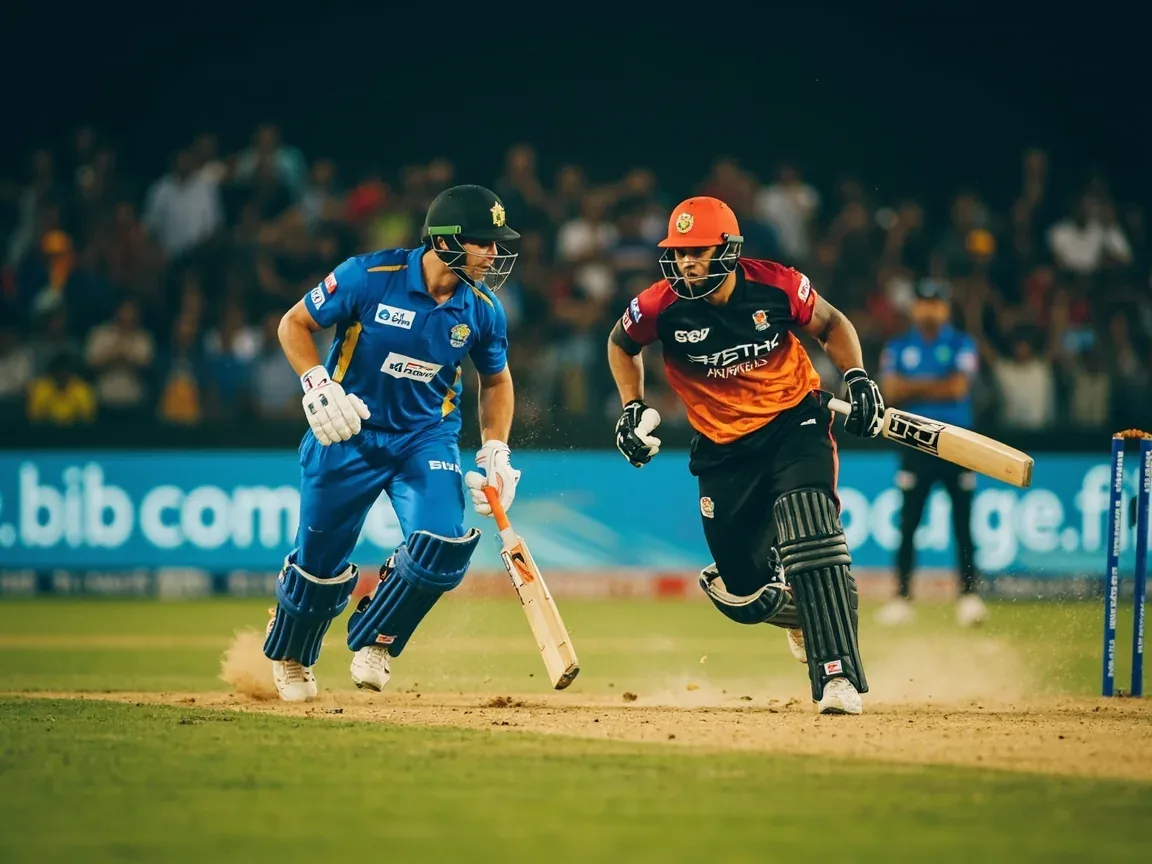
Across the first half of the 2026 season, three tactical themes have shaped results more than any other: Powerplay intent has become the single strongest predictor of total; middle-over control separates playoff teams from non-playoff teams; and death-over execution decides the close finishes. Each of these themes has a data story behind it and a tactical implication for how teams set up their bowling and batting orders.
The Powerplay read is the most discussed. Teams that scored above 50 in the first six overs won 14 of 18 completed fixtures in the first half. The middle-over read is more subtle — a side conceding below 7.5 runs per over from overs 7 to 15 won 11 of 12 matches in the same sample. The death-over read is the most repeatable: a side that bowled out the last four overs at an economy below 9 won 13 of 15.
Recent context the desk has been tracking
A handful of trends from the first half of the season worth flagging for readers who want the underlying numbers behind the headlines. None of these is a prediction; all of them are sourced observations.
- Powerplay scoring rate (first six overs) has climbed roughly 8% compared to the 2025 season at the same stage.
- Middle-over economy has compressed at the top of the table: the four playoff-contending teams all concede below 7.8 runs per over from overs 7 to 15.
- Death-over yorker execution is the cleanest separator between playoff and non-playoff franchises: the top four teams bowl out the last four overs at an economy below 9.0, the bottom six above 9.6.
- Wrist-spin match-ups have produced 22% of all wickets in the middle phase, up from 17% at the same point in 2025.
- Fielding metrics — direct hits, catches taken, and run-out efficiency — have climbed across the league, suggesting a defensive upgrade that is itself a tactical lever.
Death-over execution as a separator
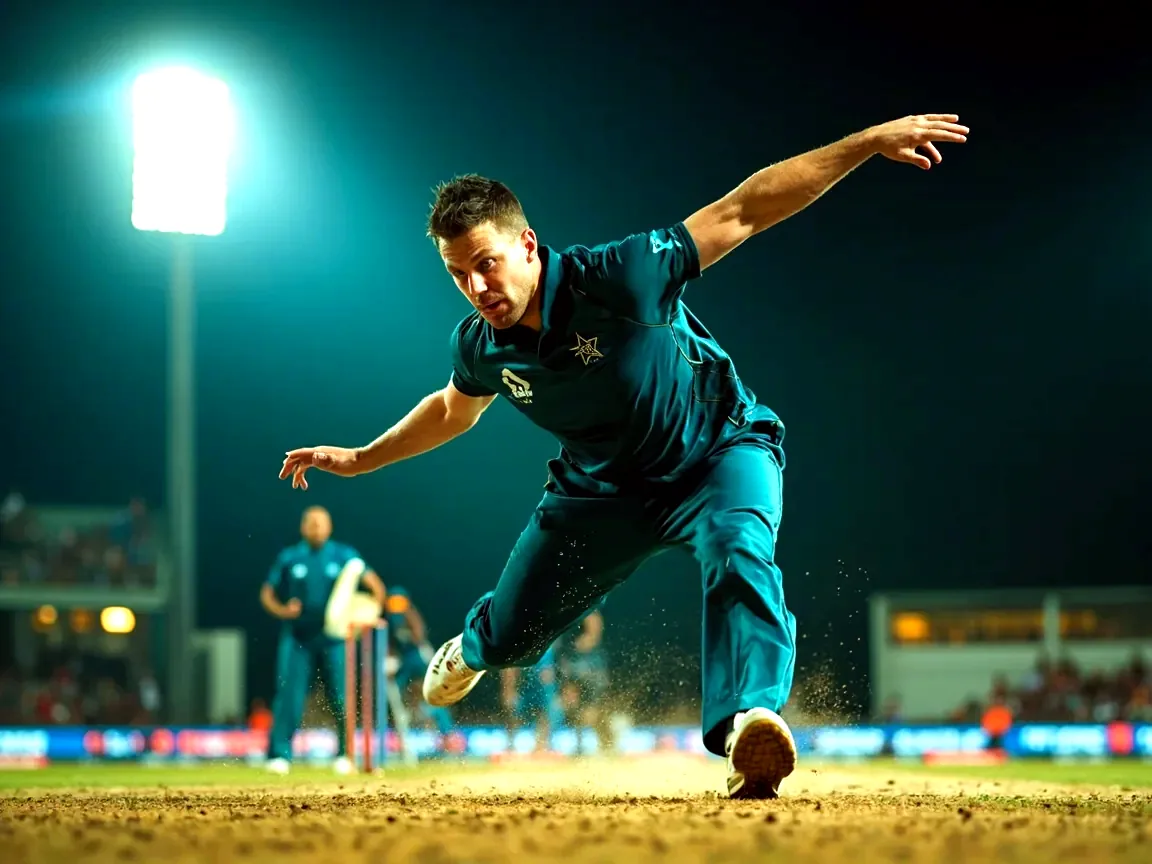
Across the 2026 season, death-over bowling is the single cleanest separator between playoff and non-playoff franchises. The top four teams on the points table bowl out the last four overs at an economy below 9.0; the bottom six are above 9.6. The yorker-plus-slower-ball combination that worked for the 2024 champions is back in vogue across the league, and the execution rate at the death is now a metric the desk tracks week on week.
What the metric does not capture, and where the visual record helps, is the intent behind the death-over plan. Some captains bowl their best yorker bowler regardless of the match-up; some captains match the bowler to the batter. Both approaches work, but they work in different conditions, and the right call depends on the surface, the match-up, and the scoreboard state at the end of the 16th over.